We Broke Up With Cable and Somehow Ended Up Right Back Where We Started
There was a moment — somewhere between 2013 and 2016 — when cutting the cord felt genuinely revolutionary. You canceled your cable, signed up for Netflix, maybe added Hulu, and suddenly you were paying like $20 a month total for more content than you could ever watch. You felt smart. Liberated. Like you had figured something out that previous generations hadn't.
Fast forward to today, and the average American household is subscribed to somewhere between four and eight streaming platforms. Do the math on that, and you're looking at anywhere from $60 to well over $100 a month — before the inevitable price hikes that seem to roll out every six months like clockwork. Somehow, in our quest to escape the cable bundle, we built a new one. We just did it ourselves, one $15.99 subscription at a time.
The Slow Creep Nobody Noticed Until It Was Too Late
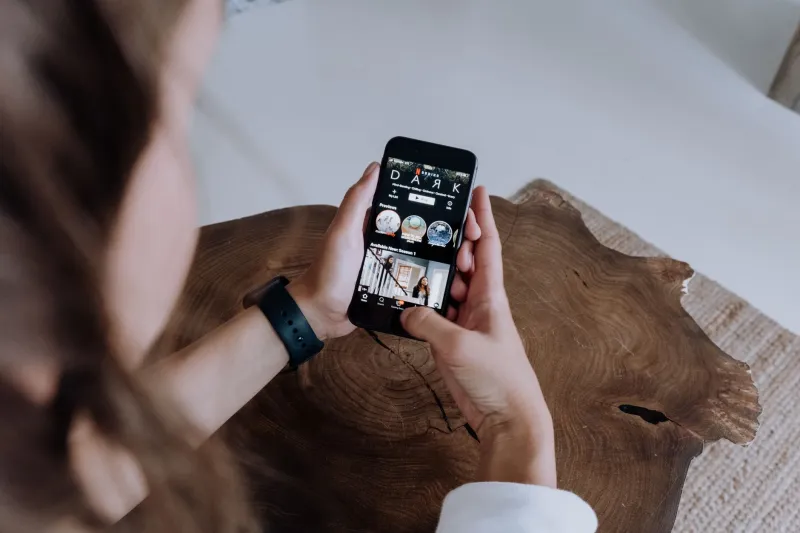
Here's the thing about how we got here: it happened gradually enough that most of us didn't clock it until we were already deep in it. Netflix raised prices. Fine, it's Netflix, whatever. Then Disney+ launched and you needed it for The Mandalorian and also everything Marvel going forward. Then HBO Max (now just Max, because rebrandings are apparently mandatory) had the shows everyone was talking about. Then Peacock had the NFL. Then Paramount+ had Yellowstone. Then Apple TV+ had Ted Lasso and then Severance and suddenly you were paying for Apple TV+ like it was nothing.
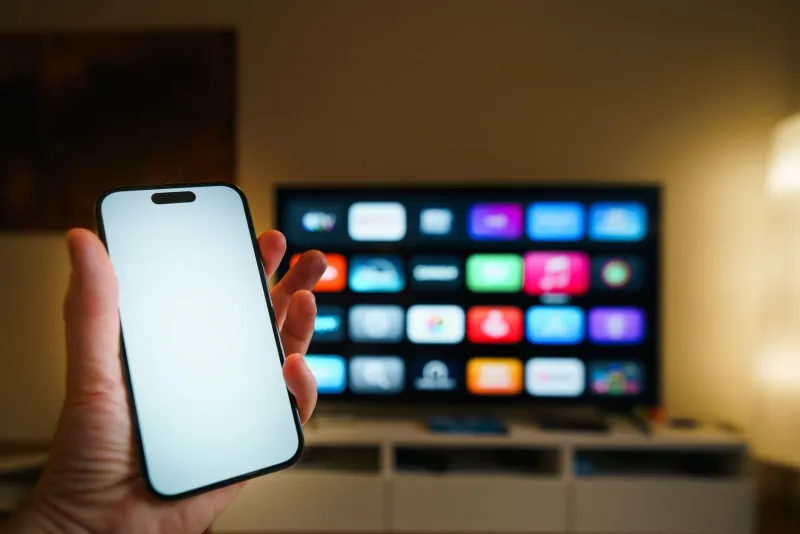
Each individual decision made sense in the moment. The problem is that streaming services were designed to make each individual decision feel low-stakes. It's just ten bucks. It's just one more. Except those one-mores compound, and now you're doing the mental math while scrolling through four different apps trying to remember which one has the movie you wanted to watch.
This is the fragmentation problem in a nutshell. Content that used to live in one consolidated place — your cable package — has been deliberately scattered across competing platforms, each one holding specific IP hostage behind its own paywall. Studios realized that their libraries were the actual product, pulled their content from Netflix, and launched their own services. The result is a landscape where Friends is on Max, The Office is on Peacock, and your favorite random indie film is somehow only on Mubi.
The Irony Is Almost Too Much
Let's sit with the irony here for a second, because it genuinely deserves acknowledgment. The entire cultural argument for streaming was that cable was an outdated, consumer-hostile model that forced you to pay for 200 channels when you only watched eight of them. Streaming was supposed to fix that with personalization, flexibility, and choice.
And yet. Here we are, paying for platforms we forget we have, scrolling through content libraries so massive they've become paradoxes of choice, and getting hit with ads anyway on the cheaper tiers because the ad-free experience now costs more. The streaming model has, in attempting to maximize revenue, recreated almost every frustration that made cable feel untenable in the first place — just with worse customer service and no local news.
The password-sharing crackdowns have made it even more pointed. Netflix's move to charge extra for account sharing was a genuine cultural moment, and not a positive one. It felt like the moment the mask fully came off — the confirmation that these platforms see subscribers as revenue units first and audiences second.
Gen Z and Millennials Are Starting to Push Back
What's interesting is that the generation of consumers who built streaming culture are also the ones showing early signs of genuine fatigue with it. Subscription cycling — the practice of subscribing to one platform, burning through what you want to watch, then canceling and moving to the next — has become a legitimate strategy that people openly discuss and recommend online. It's essentially treating streaming services the way streaming services treated cable: as something to be disrupted.
There's also a growing nostalgia (there's always nostalgia) for the communal experience of appointment television. The idea that everyone watched the same show at the same time and could talk about it the next day has become something people actively miss. The release-all-episodes-at-once model that Netflix pioneered is increasingly being abandoned in favor of weekly drops, and audiences have largely welcomed it. Turns out waiting a week for an episode creates conversation and culture in a way that bingeing in isolation doesn't.
So What Actually Happens Next?
Industry analysts have been predicting a consolidation wave for a few years now, and there are signs it's beginning. Mergers, bundle deals, and partnerships are becoming more common. Disney has been experimenting with bundles that package Disney+, Hulu, and ESPN+ together — which, again, is just a cable package with a different name.
The more interesting question is whether consumers have any real leverage here. The answer is yes, but only if people are actually willing to use it. Canceling subscriptions, refusing to pay for ad-supported tiers at premium prices, and being vocal about the fragmentation problem are the only real tools audiences have. Streaming services are not charities — they respond to subscriber numbers and churn rates.
The cord-cutting generation had the right instinct. The execution just got hijacked by the same industry it was trying to escape. Whether we can find a smarter relationship with streaming — one that doesn't just rebuild the cable bundle with extra steps — is genuinely one of the more interesting cultural and economic questions of the next few years.
In the meantime, someone needs to explain to me why I'm paying for Peacock.