You Are Not Your Aesthetic (But Also, Maybe You Kind Of Are?)
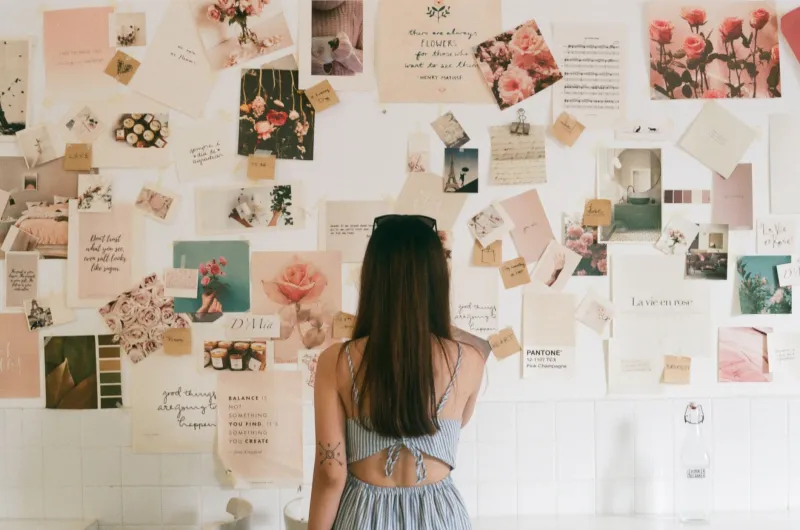
At some point in the last few years, the question what are you into? quietly got replaced by what's your aesthetic? It sounds like a small shift, but it's actually kind of a massive one. Being into things — music, books, hobbies, places — is personal and specific and a little messy. Having an aesthetic is curated. It's a mood board. It's a Pinterest category with a name that sounds like a niche Etsy shop.
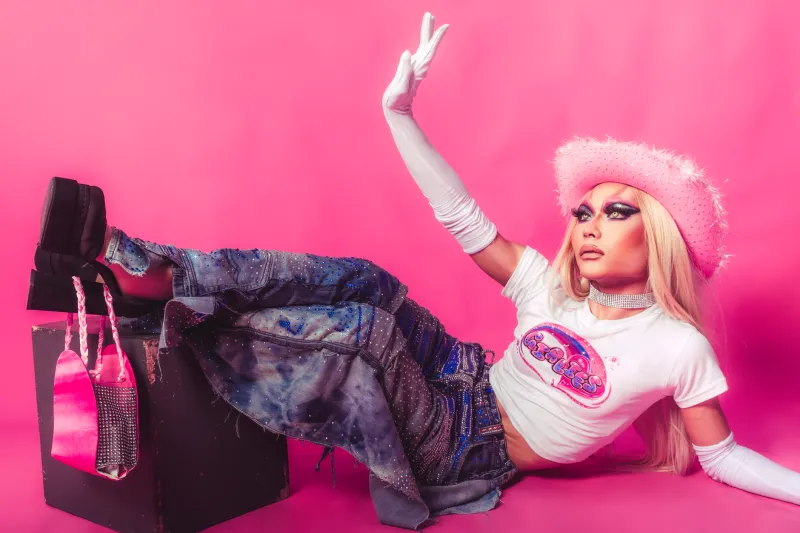
We're living in the era of the named aesthetic, and it has fundamentally changed how young people construct and communicate identity online. Cottagecore. Dark academia. That girl. Coastal grandmother. Barbiecore. Goblincore (yes, really). The list is genuinely endless, updated constantly, and — depending on who you ask — either a beautiful explosion of creative self-expression or an elaborate performance for an algorithm that rewards legibility over authenticity.
The truth, as usual, is probably somewhere in the middle. But it's worth actually sitting with the question.
A Brief History of Aesthetic Categorization
Subcultures have always existed. Goth kids, preps, skaters, punks — previous generations had their own tribal visual languages, their own ways of signaling belonging through appearance and taste. This isn't new behavior. What is new is the speed, specificity, and sheer volume of available aesthetic identities, and the way the internet has transformed subculture from something you stumbled into through geography and real-life social networks into something you can discover, adopt, and broadcast from your bedroom in Indiana.
TikTok and Instagram deserve a lot of credit — or blame, depending on your perspective — for the current aesthetic moment. The algorithm rewards content that fits recognizable categories. A video tagged with a specific aesthetic gets served to people already interested in that aesthetic, which creates feedback loops that intensify and codify the look faster than any organic subculture could. What might have taken a decade to develop and spread in the pre-internet era can now go from niche Tumblr micro-trend to mainstream TikTok category in about six weeks.
The result is an aesthetic landscape that is simultaneously more diverse and more prescriptive than anything that came before it.
The Appeal Is Real and It Makes Sense
Before we get too critical, it's worth genuinely acknowledging why aesthetic identity is so appealing, especially for younger people still actively figuring out who they are.
Having a named aesthetic gives you a shorthand. It gives you a community of people who share your taste. It gives you a shopping list, a content category, a way to organize your environment so that it reflects something back at you. For a lot of people — particularly queer kids, neurodivergent people, or anyone who felt alienated from mainstream culture growing up — finding an aesthetic that clicked was genuinely meaningful. Cottagecore wasn't just a Pinterest board for a lot of its early adopters; it was a quiet rejection of hustle culture and urban grind in favor of something slower and more intentional. Dark academia wasn't just tweed and candlelight; it was a community of people who loved learning and felt like that wasn't cool enough to admit without a romanticized frame around it.
Aesthetics can be a genuine entry point into values, communities, and ways of living. Dismissing them entirely as shallow misses what they're actually doing for people.
But Then the Algorithm Gets Involved
Here's where it gets complicated. The same platforms that help people discover aesthetics and find community also have a vested interest in keeping those aesthetics legible, shareable, and commercially viable. An aesthetic that's too personal, too specific, or too weird doesn't perform well. An aesthetic that can be packaged into a haul video, a morning routine, or a room tour absolutely does.
This creates pressure — subtle but real — to perform your aesthetic rather than simply live it. The "that girl" aesthetic is a perfect example. At its core, it's about discipline, wellness, and intentional living. But on TikTok, it quickly became a very specific visual template: 5 a.m. workouts filmed in the blue pre-dawn light, green smoothies in Stanley cups, color-coded planners. The substance of the aesthetic got flattened into its most Instagrammable elements, and suddenly "that girl" was less a personal philosophy and more a content genre.
When your identity becomes a content genre, something shifts. You're no longer just living a certain way — you're producing evidence that you live a certain way. And those are genuinely different things.
Aesthetic Fluidity vs. Aesthetic Commitment
One of the more interesting generational dynamics here is how differently people seem to relate to aesthetic commitment. Older millennials often find the whole thing slightly overwhelming — there's something almost exhausting about a cultural moment where your vibe needs a Wikipedia-ready name. But many Gen Z creators and consumers are remarkably fluid about it, moving between aesthetics seasonally or even just based on mood, treating them less like identities and more like outfits.
That fluidity is actually kind of radical if you think about it. The idea that you can be cottagecore this spring and clean girl in the summer and dark academia in October isn't necessarily shallowness — it might be a genuinely postmodern relationship with identity that refuses to be pinned down. The aesthetic isn't the self; it's the self's current costume.
The problem only really emerges when the costume becomes the cage — when you feel pressure to maintain a consistent aesthetic brand because your followers expect it, or when you start making actual life decisions based on what fits the vibe rather than what you actually want.
What We're Really Talking About
At its core, the aesthetic identity phenomenon is about belonging and legibility in a fragmented digital world. We want to be seen and understood quickly, and a named aesthetic does that work efficiently. It says here is my world, here is my taste, here is where I fit in a single image or a two-word tag.
That impulse isn't going away, and honestly, it probably shouldn't. The question worth asking — individually, not judgmentally — is whether your aesthetic is something you found or something that found you. Whether it's expanding your world or quietly narrowing it. Whether you'd still be into the same things if the algorithm wasn't watching.
If the answer is yes, honestly? Enjoy your cottagecore era. You've earned it.