It's Not Them, It's You: The Quiet Heartbreak of Falling Out of Love With a Creator
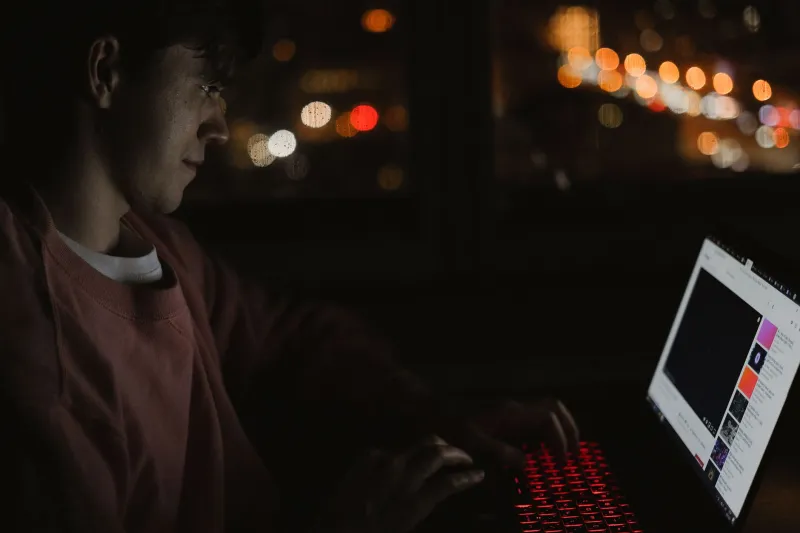
You remember exactly what it felt like to find them. Maybe it was a YouTube rabbit hole at 2 a.m., or a TikTok that landed on your For You page at the precise moment you needed it most. Something clicked. You binged the back catalog. You started recognizing the intro music before it even fully played. You quoted them to your actual real-life friends, who absolutely did not get it.
And then, slowly, quietly, without any dramatic moment or inciting incident — you just... stopped caring.
No fight. No scandal. No cancellation. They didn't do anything wrong. If anything, they kept doing everything exactly right. Same format, same energy, same community. But somewhere between who you were when you found them and who you are now, the connection just evaporated. And now you're sitting with this low-grade guilt that you can't quite explain to anyone, because how do you grieve someone who never knew you existed?
The Relationship That Wasn't — Except It Kind Of Was
Here's the thing about parasocial relationships: we talk about them like they're a bug in the system, some embarrassing glitch in how our brains process media. But the emotional infrastructure they build is genuinely real. Research consistently shows that the brain processes parasocial bonds using many of the same neural pathways as actual social connection. When you watch someone enough — their mannerisms, their opinions, their bad days and good takes — your nervous system starts treating them like a known quantity. A safe presence.
So when that presence stops resonating, the loss isn't imaginary. It's neurological. Your brain registered a relationship, and now it's registering an absence.
The difference, of course, is that the creator has no idea any of this happened. They posted on Tuesday. They'll post again on Friday. Your departure from their world is completely invisible to them, which is both a relief and somehow makes the whole thing lonelier.
You Changed. That's the Part That Stings.
Breakups where someone did something wrong are painful, but they're navigable. You have a story. You have a reason. What's harder to process is outgrowing something — because outgrowing implies movement, and movement implies you're not who you used to be.
Maybe you found a creator in your early twenties when you were deep in hustle culture content, and now the productivity optimization talk makes your eye twitch. Maybe you loved a beauty influencer back when your entire sense of self was tied to learning a full glam routine, and now you're in a completely different relationship with how you look. Maybe it was a political commentary channel that felt essential when you were first getting woke to the world, and now their takes feel reductive or performative in ways you couldn't have articulated before.
None of that is a betrayal. All of it is growth. But growth rarely feels triumphant in the moment — it usually just feels like quiet discomfort and a YouTube homepage that suddenly feels unfamiliar.
The Guilt Is the Weirdest Part
Ask anyone who's gone through this and they'll describe some version of the same thing: guilt. Irrational, low-key, persistent guilt.
You'll scroll past a notification from them and feel vaguely like you owe them something. You'll hear someone else reference them enthusiastically and feel like a fraud for not chiming in. You might even watch a video or two out of some misplaced sense of loyalty, hoping the old feeling comes back — and when it doesn't, the absence feels even more confirmed.
This guilt makes a weird kind of sense when you understand what parasocial bonds actually do. In the absence of a real relationship, your brain fills in the gaps with projection and emotional investment. You've given them something — your attention, your time, your recommendation to a friend at some point — and there's a part of you that feels like that should mean something. Like you can't just quietly opt out.
But you can. And you should. Because the alternative is spending your limited hours watching content that doesn't serve you anymore out of some obligation to a connection that was always, by design, one-directional.
What This Says About Who You're Becoming
There's a reframe worth sitting with: the fact that you outgrew a creator isn't a loss of something good. It's evidence of something shifting in you that's worth paying attention to.
Our media consumption is deeply autobiographical. What we find funny, comforting, or essential at any given moment is a snapshot of our current values, anxieties, and aspirations. When those things evolve — when therapy rewires how you talk to yourself, when a new job changes what you care about, when a relationship or its ending shifts your entire worldview — the content that used to feel like it was made for you starts to feel like a letter addressed to someone else.
That someone else was you. And you've moved.
Falling out of love with a creator isn't abandonment. It's documentation. It's your interests and identity doing what they're supposed to do — growing beyond the containers they used to fit inside.
How to Actually Let Go
Unsubscribing feels weirdly dramatic for something so small, but leaving a creator in your feed when they no longer resonate is its own kind of slow drain. Every notification is a little reminder of a version of yourself you're not inhabiting anymore.
You don't owe them a goodbye. You don't owe them a reason. The unfollow button exists, the mute button exists, and the quiet act of simply moving on is completely, entirely valid.
What might actually be worth doing is sitting with the question of why this particular creator no longer hits. Not as a judgment of them, but as a window into yourself. What did they used to give you that you're getting elsewhere now? What did you need back then that you've figured out how to provide for yourself? Those aren't small questions. They're the kind that tell you something real about where you're headed.
One Last Thing
Somewhere out there, the creator you fell out of love with is still posting. Their community is still showing up. Someone else is finding them for the first time right now, at 2 a.m., feeling that exact click of recognition you felt years ago.
That's kind of beautiful, actually. The content didn't stop mattering — it just stopped mattering to you specifically, at this specific moment in your specific life.
And you? You're out here becoming someone new. That's not a loss. That's just the whole point.