Your Feed Knows Your Next Move Before You Do — And That's the Problem

The Machine That Knows You're Sad Before You Tell Anyone
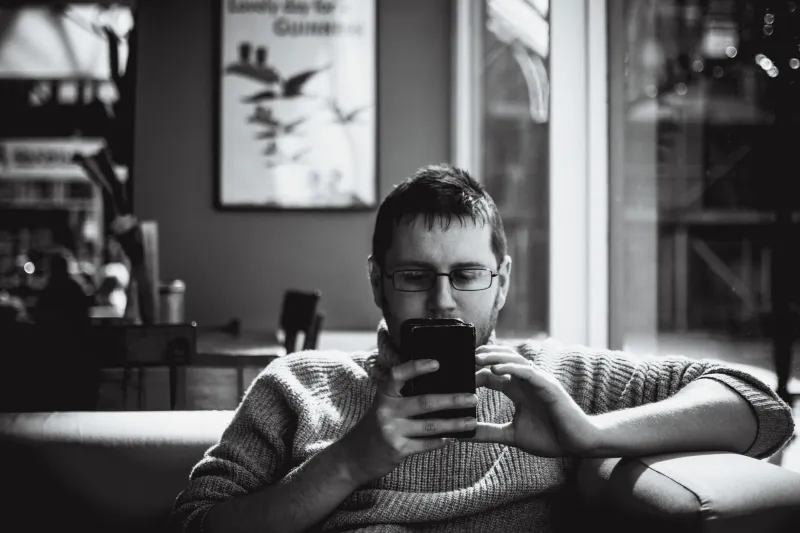
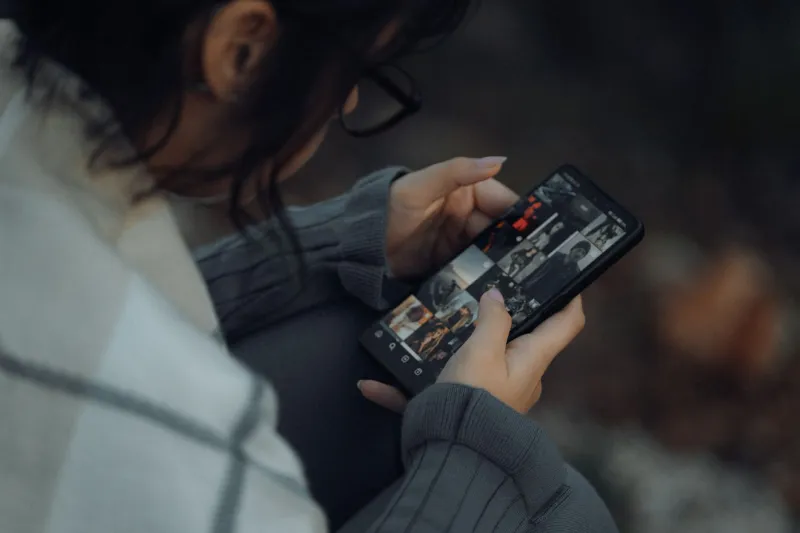
Something happened last winter that genuinely unsettled me. I'd been having a rough few weeks — nothing catastrophic, just the low-grade, ambient dread that a lot of us carry around like a second phone. I hadn't posted about it. Hadn't texted anyone in particular. Hadn't Googled "why do I feel so empty" or whatever. And yet, my YouTube feed started filling up with soft, melancholic lo-fi playlists, journaling tutorials, and videos about "finding yourself in your late twenties." My Spotify Discover Weekly leaned into minor keys. My TikTok served me a string of creators talking about burnout.
The algorithm had diagnosed me before I diagnosed myself.
That should feel comforting, maybe. Like being seen. But the longer I sat with it, the more it felt like something else entirely — like being watched.
What the Algorithm Is Actually Doing
Here's the thing most people don't fully absorb: recommendation systems aren't designed to know you. They're designed to predict you. There's a meaningful difference.
Platforms like Netflix, Spotify, TikTok, Instagram, and Amazon aren't running some sophisticated empathy engine. They're running pattern-matching at a scale that's genuinely hard to comprehend. Every pause, every rewatch, every scroll-past, every abandoned cart — it all feeds a model that gets increasingly good at anticipating what will keep you engaged for another thirty seconds. The goal isn't your flourishing. The goal is your attention.
And because these systems are so good at predicting behavior, they've quietly become the primary curators of modern life. They're not just recommending shows anymore. They're shaping taste, reinforcing identity, nudging beliefs, and narrowing the information ecosystems we live inside. That's a lot of power to hand to something that doesn't actually care whether you're okay.
The Comfort of Being "Known"
Let's be honest about why we don't fight this harder: it feels good to be understood.
There's a genuine psychological comfort in a feed that seems to get you. When Spotify builds a playlist that perfectly captures your current mood, or when Amazon recommends a book you didn't know you needed, it creates this warm, almost intimate sensation — like something out there is paying attention. In a culture where a lot of people feel increasingly disconnected and unseen by actual humans, the algorithm steps in to fill that gap.
But what we're really experiencing is a very sophisticated mirror. The algorithm reflects our patterns back at us, and we mistake the reflection for recognition. It's not understanding us. It's modeling us. And there's a version of that relationship that starts to feel less like a thoughtful friend and more like a very attentive salesperson who's memorized everything about you specifically so you'll keep buying.
The Filter Bubble Is Real and It's Weirder Than You Think
You've probably heard the term "filter bubble" — the idea that algorithms create personalized information environments that reinforce what you already believe. Most people nod along and then go back to their feeds. But the actual lived experience of this is stranger and more subtle than the think-pieces suggest.
It's not just that you stop seeing opposing political views (though that happens). It's that your sense of what's normal, what's popular, what everyone is talking about gets quietly distorted. The algorithm shows you more of what you engage with, which means the things you're already drawn to start to feel more universal and dominant than they actually are. Your niche interests feel mainstream. Your anxieties feel collectively shared. Your aesthetics feel culturally dominant.
You're not necessarily getting radicalized in some dramatic, headline-grabbing way. You're just getting slowly, imperceptibly narrowed. The world in your feed starts to look a lot like a very high-resolution version of your own existing worldview — and that's its own kind of trap.
Outsourcing Your Choices Without Signing the Paperwork
Here's what nobody talks about enough: we've essentially outsourced a significant portion of our decision-making to systems we didn't consciously choose and can't meaningfully audit.
What you watch shapes what you think about. What you read shapes what you believe. What you buy shapes your identity, at least in the way you present it. And increasingly, all of those choices are being made upstream — by recommendation systems that are optimizing for engagement metrics, not for the kind of life you actually want to build.
This isn't a conspiracy. Nobody at Netflix is sitting in a dark room trying to control your personality. It's more banal and more pervasive than that. It's just capitalism doing what capitalism does — finding the most efficient path to your continued participation. The algorithm is very good at that path. It's just not particularly interested in where the path leads you.
So What Do You Actually Do With This
I'm not going to tell you to delete your apps. That's not realistic, and honestly, it's a little smug as advice goes. The platforms are useful. The recommendations are often genuinely good. The convenience is real.
But there's something worth practicing here, which is the occasional deliberate act of friction. Seeking something out rather than waiting for it to appear. Reading a book someone recommended in person instead of whatever the algorithm surfaced. Watching something because it was reviewed in a publication you trust, not because it populated your home screen at 11 p.m.
The goal isn't purity. It's just a little more agency. A small, regular reminder that your taste, your curiosity, and your choices belong to you — not to a system designed to keep you on the platform for as long as statistically possible.
Because the algorithm knows your patterns. But patterns aren't the same as preferences. And preferences aren't the same as a life.
You're still the one who gets to decide what that looks like. For now, anyway.